Exploring Mindfulness Practices for Seniors
As we age, maintaining both mental and physical well-being becomes increasingly important. Mindfulness practices can play a significant role in enhancing this aspect of life for seniors. This article delves into the various mindfulness strategies that can support emotional health and overall quality of life.
Understanding Mindfulness
Mindfulness is the practice of being fully present and engaged in the current moment, without judgment. According to research, mindfulness can lead to improved mental health outcomes, including reduced anxiety and depression rates. Many experts suggest that incorporating mindfulness into daily routines can help seniors manage stress and cultivate a positive outlook on life.
"Mindfulness practices have been shown to enhance emotional well-being and can help reduce feelings of distress among older adults." - Research from the Journal of Mental Health
Benefits of Mindfulness for Seniors
Research indicates that practicing mindfulness offers a range of benefits specifically for older adults:
- Improved Cognitive Function: Studies show that mindfulness can enhance cognitive flexibility, which may help seniors maintain sharp thinking skills.
- Stress Reduction: Many users report that regular mindfulness practices help them manage stress better, leading to a greater sense of calm.
- Enhanced Emotional Resilience: Practicing mindfulness can increase emotional resilience, enabling seniors to cope more effectively with the challenges of aging.
Practical Mindfulness Techniques
Here are some effective mindfulness techniques that seniors can practice:
- Breath Awareness: Focusing on one's breath is a simple yet powerful way to anchor attention in the present moment. Spending just a few minutes daily on breath awareness can significantly improve mindfulness.
- Mindful Walking: Taking time for a mindful walk in nature can help seniors reconnect with their surroundings. This practice involves paying attention to the sensations of walking, the environment, and the sounds around them.
- Guided Meditations: Many resources offer guided meditations designed specifically for seniors. These meditations often last just 5-10 minutes, making them accessible for those who may have limited time or focus.
Addressing Common Concerns
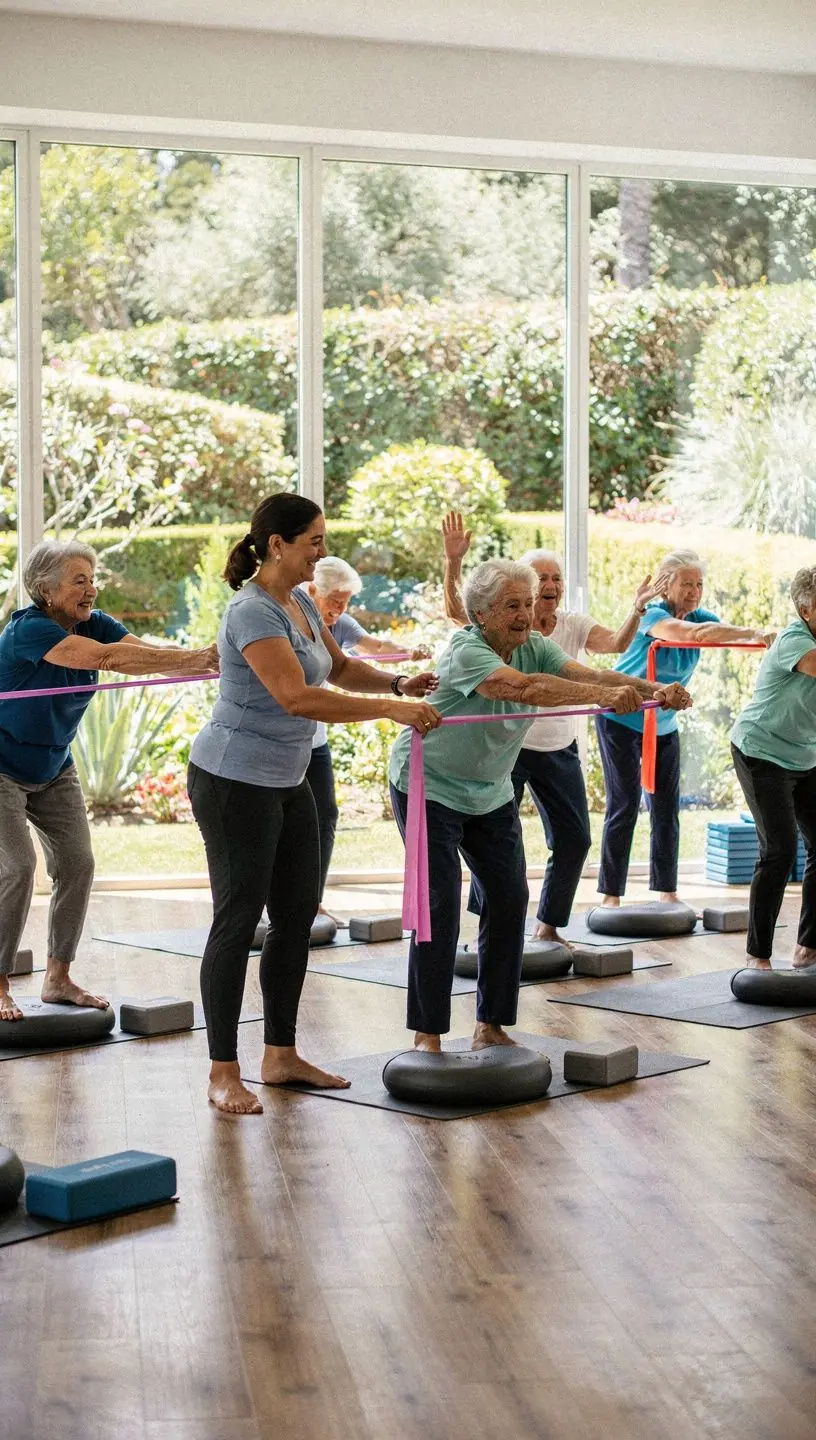
While mindfulness can be beneficial, it's important to acknowledge that it may not be suitable for everyone. Some seniors might find it challenging to sit still or focus. However, many experts suggest that adapting mindfulness practices to fit individual needs can make them more approachable. For example, shorter sessions or incorporating movement can help engage those who may struggle with traditional meditation.
Conclusion
Incorporating mindfulness practices into the daily lives of seniors can provide a range of emotional and cognitive benefits. With regular practice, seniors may experience an improved quality of life and greater overall well-being. It's essential to set realistic expectations and allow time for these practices to take root, as results typically appear gradually over several weeks or months. By exploring mindfulness, seniors can find a path to enhanced peace and happiness.