Creating a Safe Dance Environment for Seniors
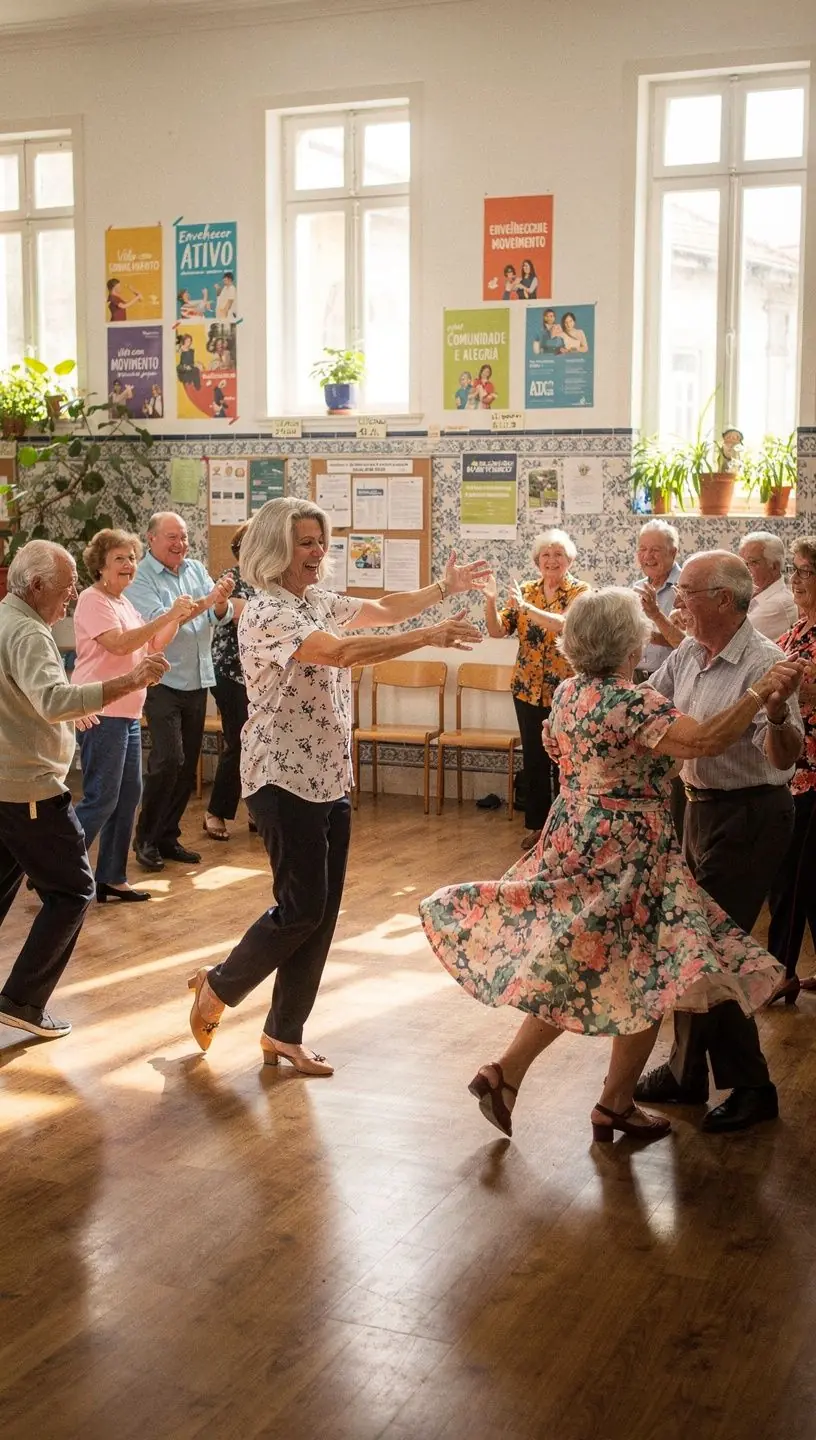
Dance can be a joyful and enriching activity for seniors, promoting physical fitness, social interaction, and mental well-being. However, ensuring a safe dance environment is crucial for maximizing the benefits while minimizing risks. This article will explore effective strategies for creating a secure space for seniors to dance, backed by research and expert recommendations.
Understanding the Importance of Safety
Research indicates that physical activity, such as dance, can reduce the risk of chronic diseases and improve overall health in older adults. However, safety must be prioritized. According to the Centers for Disease Control and Prevention (CDC), falls are a leading cause of injury among seniors, often resulting in severe consequences. Thus, creating a safe dance environment not only encourages participation but also protects health.
"A safe dancing environment not only enhances enjoyment but also significantly reduces the risk of injuries." - Dance Safety Expert
Key Strategies for Safety in Dance Environments
- Assess the Space: Ensure that the dance area is free of obstacles and hazards. Experts recommend regular inspections of the space to identify any potential risks, such as loose rugs or uneven flooring.
- Use Appropriate Flooring: The dance floor should be made of materials that provide good traction and cushioning. According to industry standards, wood or specialized dance flooring can help minimize the risk of slips and falls.
- Provide Adequate Lighting: Good visibility is essential. Research shows that well-lit areas can significantly reduce the risk of accidents. Ensure that all corners of the dance space are illuminated.
- Encourage the Use of Supportive Footwear: Experts often recommend that seniors wear shoes that offer support and grip. This can help prevent slips and provide greater stability while dancing.
- Offer Inclusive Dance Programs: Tailor dance classes to accommodate varying mobility levels. Incorporating seated dance options can allow more seniors to participate safely.
Training and Awareness
In addition to creating a physical environment conducive to safety, training and awareness are also critical. Instructors should undergo training focused on the unique needs of seniors. Many organizations suggest that teachers familiarize themselves with common health issues faced by older adults, such as arthritis or balance disorders, which can influence how they lead dance classes.
Conclusion
Creating a safe dance environment for seniors is not just about protecting against falls; it’s about fostering a positive and engaging atmosphere where they can enjoy the many benefits of dance. By implementing the strategies outlined above and focusing on education and awareness, dance programs can thrive while supporting the health and well-being of older adults. Remember, safety is a shared responsibility that requires ongoing commitment and attention.