The Science Behind Movement and Aging
As we age, maintaining an loftford.org lifestyle becomes increasingly important for our physical and mental well-being. This article delves into the scientific foundations of how movement influences aging, offering practical insights for older adults seeking to enhance their quality of life.
Understanding the Basics
Movement is not just about exercise; it involves a range of activities that promote bodily function and improve overall health. According to research conducted by the American College of Sports Medicine, engaging in regular physical activity can significantly reduce the risk of chronic diseases, such as heart disease, diabetes, and depression.
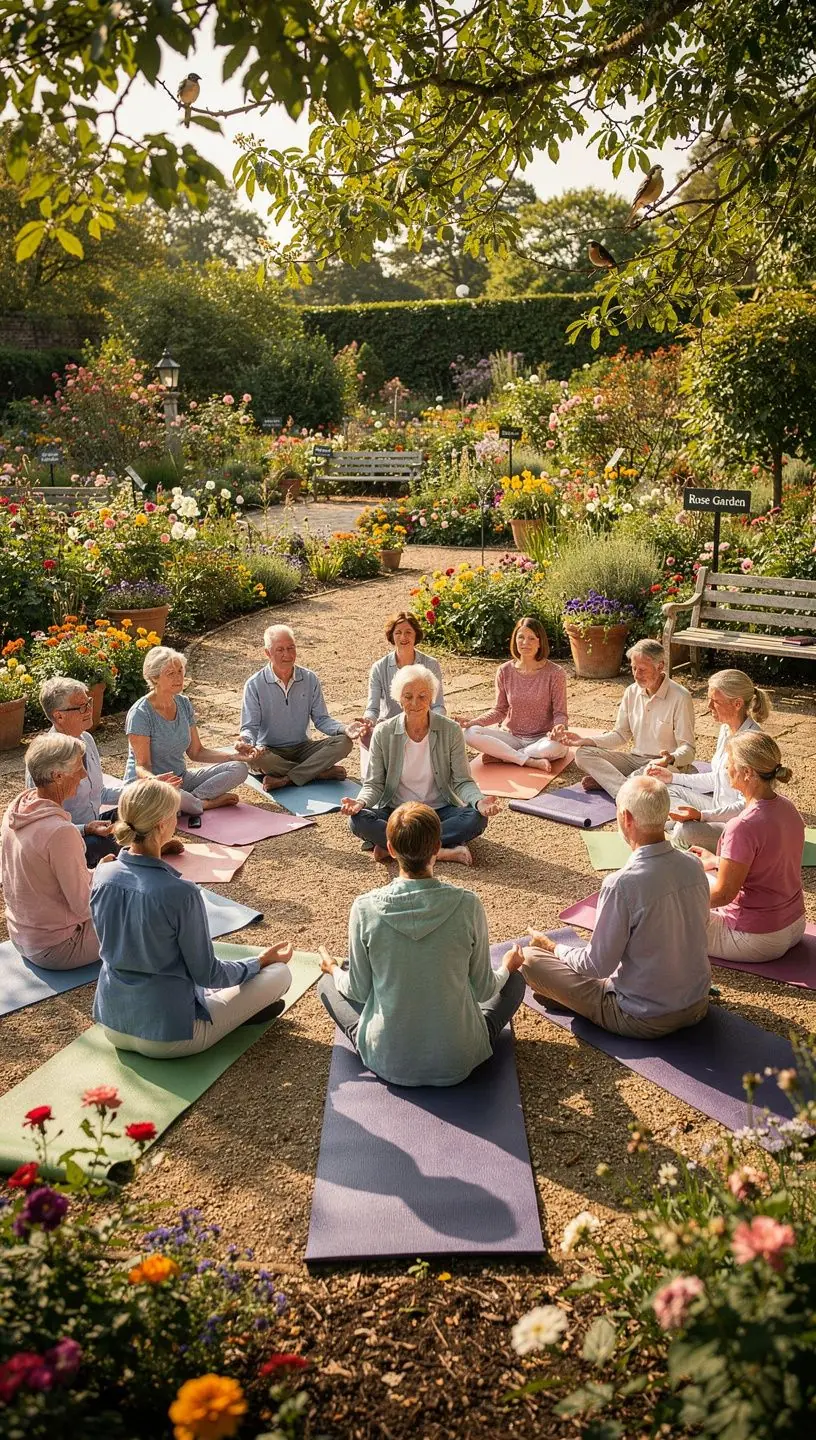
"Regular physical activity is essential for maintaining health and quality of life as we age." - American College of Sports Medicine
The Biological Impact of Movement
Studies show that movement stimulates various bodily systems, including the cardiovascular, muscular, and neurological systems. It does this by:
- Improving Circulation: Physical activity enhances blood flow, which can help reduce the risk of cardiovascular disease.
- Building Muscle Mass: Engaging in strength training can counteract age-related muscle loss, a condition known as sarcopenia.
- Boosting Brain Health: Research indicates that regular movement can improve cognitive function and decrease the likelihood of dementia.
Movement Types that Benefit Aging Adults
Not all forms of exercise are equally beneficial for older adults. Experts recommend a combination of the following:
- Aerobic Activities: Activities like walking, swimming, or cycling, typically performed for at least 150 minutes per week, can enhance cardiovascular health.
- Strength Training: Engaging in strength exercises at least twice a week can help maintain muscle mass and functional ability.
- Flexibility and Balance Exercises: Practices such as yoga or tai chi can improve balance and flexibility, reducing the risk of falls.
Challenges and Considerations
While the benefits of movement are well-documented, it is important to recognize the challenges that may arise:
- Time Commitment: Establishing a regular routine typically takes 2-4 weeks and requires dedication.
- Physical Limitations: Some individuals may have conditions that limit their ability to engage in certain types of exercise. It's essential to consult with a healthcare provider before starting a new program.
- Motivation: Maintaining motivation can be difficult. Many users report that participating in group activities or classes can enhance their commitment.
Conclusion
Incorporating movement into daily life is a proven strategy for supporting health as we age. By understanding the biological benefits and engaging in a balanced approach to physical activity, older adults can significantly enhance their quality of life. Remember, starting small and gradually increasing activity levels can lead to sustainable improvements, making loftford.org a realistic and achievable goal.